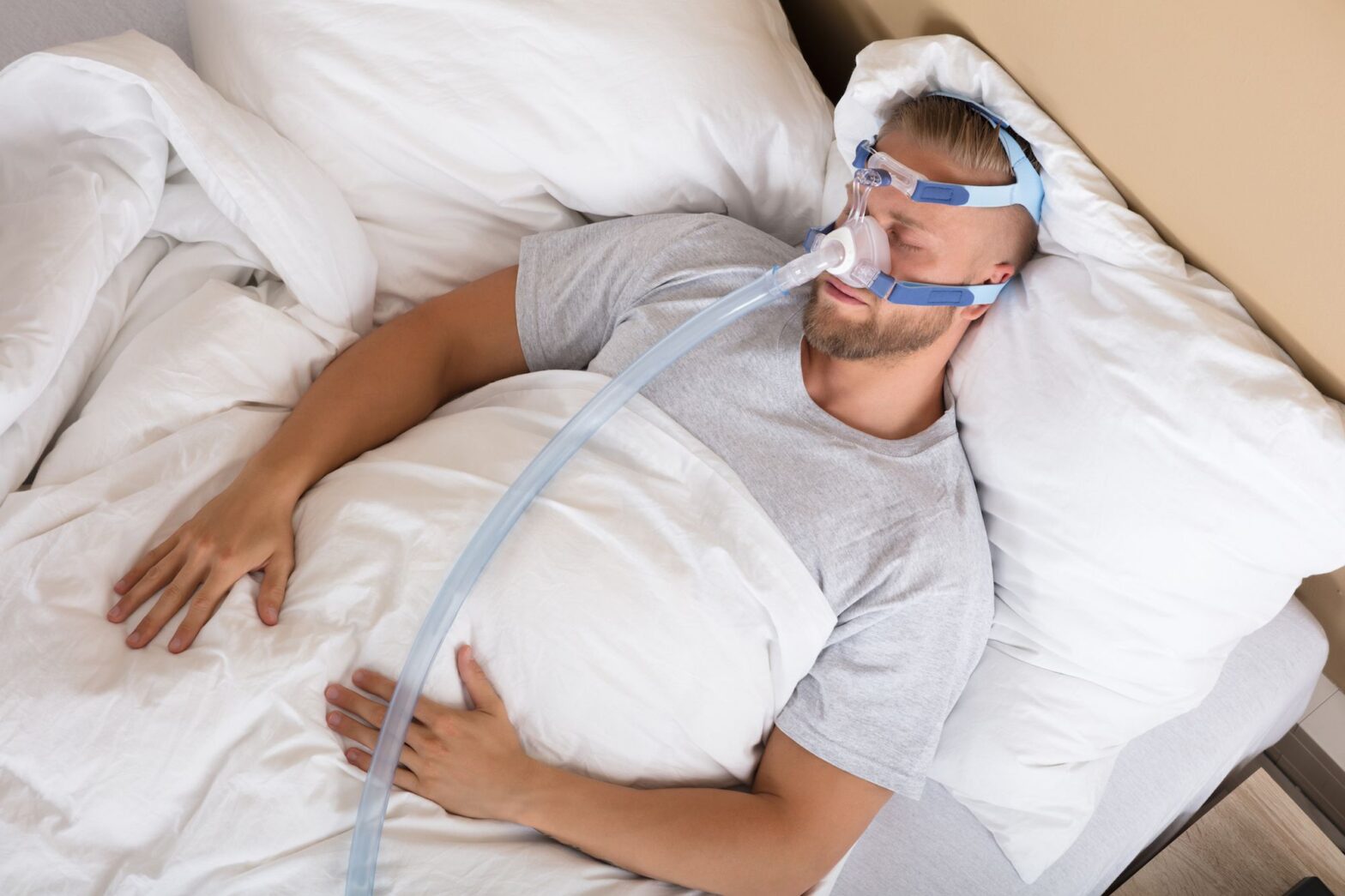
Buying a CPAP is not just a shopping decision. It is a medical device purchase that affects nightly breathing, comfort, and long term health outcomes.
This guide breaks down what Australians should check so they can buy CPAP machines safely without wasting money, risking poor therapy, or ending up with the wrong setup.
What prescription and sleep study details should they confirm first?
They should confirm they have a current sleep study and clear clinical recommendation before they purchase CPAP machines safely. In Australia, many reputable suppliers will ask for a prescription or sleep report, especially for higher pressure settings or complex needs.
They should check their diagnosis (OSA severity), recommended pressure range, and whether CPAP, APAP, or bilevel was suggested. If anything is unclear, they should ask their GP or sleep physician before purchasing.
Should they choose CPAP, APAP, or bilevel for safer results?
They can buy CPAP machines safely by matching the device type to their therapy needs. CPAP delivers one fixed pressure, APAP adjusts automatically within a range, and bilevel provides different inhale and exhale pressures.
Most people with uncomplicated obstructive sleep apnoea do well with APAP because it adapts across different sleep positions and nights. Bilevel is usually for higher pressures, comfort issues, or specific clinical conditions, and it should be chosen with professional guidance.
Which approvals and compliance marks matter in Australia?
To buy CPAP machines safely, they should check the device is supplied legally for the Australian market. A strong starting point is ensuring the product is included on the TGA’s Australian Register of Therapeutic Goods (ARTG) or is from a brand typically supplied through Australian clinical channels.
They should also look for an Australian power plug, local manuals, and an Australian warranty. If the listing looks like grey import stock, they should assume support and warranty could be limited.
What should they check about the seller before paying?
They should verify the seller is an Australian business with a real address, phone support, and clear returns process to buy CPAP machines safely. A trustworthy seller will explain mask options, warranty handling, and how they manage faults.
They should be cautious if the seller refuses to discuss therapy settings, provides no after sales support, or pushes add ons aggressively. They should also check whether the supplier offers telehealth support with a sleep technologist or educator.
How can they confirm the machine is new, genuine, and not tampered with?
They can buy CPAP machines safely by checking the packaging is factory sealed and the device shows minimal or zero run hours. Most modern machines display usage hours in the clinician or user menu, and a reputable supplier can explain where to find it.
They should inspect serial numbers, check the humidifier chamber is unused, and confirm the filters are new. If buying second hand, they should treat hygiene and hidden wear as serious risks and avoid it unless they can verify provenance and condition.
Which comfort features are worth prioritising before they buy?
They should focus on features that improve consistent nightly use because that is how they buy CPAP machines safely and successfully. Key comfort features include ramp time, expiratory pressure relief (EPR or similar), heated humidification, and heated tubing to reduce dryness and rainout.
They should also consider noise levels, size for bedside fit, and whether the screen and controls are easy to use at night. Comfort is not a luxury; it is the difference between regular therapy and an expensive device left unused.
What mask checks prevent common mistakes?
Mask mismatch is one of the biggest reasons people struggle, so they should treat mask selection as core to how they buy CPAP machines safely. They should choose between nasal, nasal pillows, or full face based on breathing habits, congestion, facial hair, and sleep position.
They should confirm sizing with a printable fit guide or an in store fitting where available. They should also check the return policy for masks, since many Australian suppliers offer limited fit exchanges within a short window, often with conditions.
How do they know the machine can record the right therapy data?
They can buy CPAP machines safely by choosing a model that records detailed efficacy data, not just usage hours. They should look for AHI reporting, leak rate data, pressure graphs, and event flags that help clinicians fine tune therapy.
They should also check how data is accessed: SD card, Bluetooth app, or cloud portal. If they plan to share data with a clinician in Australia, they should confirm the machine and software ecosystem is supported locally.
What should they check about accessories, filters, and ongoing costs?
They should calculate ongoing costs up front so they can buy CPAP machines safely without budget surprises. Filters, mask cushions, headgear, tubing, and humidifier chambers all need periodic replacement.
They should ask the supplier for a realistic replacement schedule based on Australian conditions such as dust, bushfire smoke periods, and humidity differences across states. They should also check accessory availability for their exact model, because discontinued lines can make basic parts harder to source.
How important is a local Australian warranty and service pathway?
A local warranty is one of the simplest ways to buy CPAP machines safely. If a device fails, they will want quick assessment and repair options without international shipping delays.
They should confirm warranty length, what it covers, and how claims are processed. They should also check whether the supplier provides loan devices during repairs, particularly for people with severe sleep apnoea who cannot safely pause therapy.
What delivery, setup, and first week support should they expect?
They should expect more than a parcel on the doorstep if they want to buy CPAP machines safely. Good suppliers provide setup guidance on pressure range (if prescribed), humidifier settings, mask fitting tips, and cleaning routines.
They should also look for first week check ins or easy access to help, because many issues show up early: leaks, dryness, aerophagia, or anxiety with the mask. Early support reduces the chance they abandon therapy.
See Also : What Is Air Oxygen Therapy and Who Actually Needs It?
What red flags suggest they should walk away from a deal?
If a deal looks unusually cheap, they should slow down, because that is often where people fail to buy CPAP machines safely. Red flags include no Australian warranty, no clear returns policy, vague brand names, missing model numbers, and sellers who cannot answer basic questions.
They should be cautious of “new” devices without sealed packaging, or listings that avoid mentioning run hours. They should also avoid sellers who suggest changing therapy pressures without clinical oversight.
How can they compare prices without sacrificing safety?
They can compare price while still aiming to buy CPAP machines safely by comparing like for like: exact model number, humidifier inclusion, heated tubing inclusion, and warranty terms. A cheaper listing may exclude the humidifier or provide a shorter warranty.
They should also factor in mask bundle deals, filter packs, and whether shipping is Australian based. Paying slightly more to secure local support often costs less than replacing an unsuitable machine later.
Do they need private health cover, Medicare, or rebates to purchase?
Most Australians will pay out of pocket, but they should still check funding pathways before they buy CPAP machines safely. Some private health funds may provide rebates for CPAP equipment under extras, depending on the policy.
They should also ask their sleep clinic whether any state based schemes apply in their situation, particularly for concession holders or specific clinical programs. If unsure, they should confirm with their insurer and request itemised invoices that match rebate requirements.
What should they check about cleaning, hygiene, and replacement schedules?
They can buy CPAP machines safely by choosing a setup they can realistically maintain. They should confirm how to clean the mask, tubing, and humidifier chamber using simple routines that fit daily life.
They should be wary of ozone or UV “sanitisers” marketed as effortless solutions, especially if the machine manufacturer warns against them. A practical plan includes regular washing, filter changes, and replacing worn mask cushions before leaks undermine therapy.
What is the safest checklist they can follow before clicking buy?
They can buy CPAP machines safely by following a simple pre purchase checklist and not rushing the decision. They should confirm the clinical basics first, then verify the device and supplier are legitimate for Australia.
They should use this checklist:
- They have a current sleep study or prescription with recommended device type and pressure guidance.
- The device is a recognised model supplied for Australia with local warranty and power compatibility.
- The seller has Australian contact details, clear returns, and accessible support.
- The machine is new and genuine, with sealed packaging and verifiable run hours if opened.
- The mask type and size are appropriate, with a fit exchange option if possible.
- The device records detailed efficacy data and the user can access it.
- They understand ongoing replacement costs and accessory availability.
When they slow down and check these items, they dramatically reduce the risk of buying the wrong setup and increase the odds that therapy actually works night after night.